An Effective Framework for NEURC: TIME FOR ACTION
Bondarenko, Nies, Kopač, Mikhnych, Piddubnyi, Vatman, Vizir, Vybranovskyi, Nelles
September 2026
An independent and effective regulator is essential for well-functioning energy markets, more broadly, for effective energy policy. The cost of inaction on NEURC reform is high for the war-torn Ukrainian society, as energy costs will be higher, security of supply will be lower, investments will decline reduced, rules will remain opaque, EU integration will be delayed, and trust in public institutions lost.
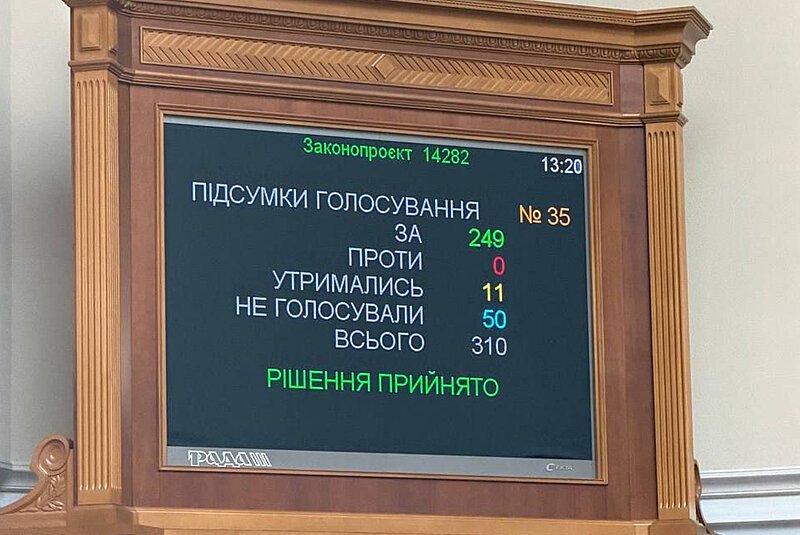
The two legislative proposals submitted at the end of 2025 propose different approaches to strengthening NEURC’s independence and governance. While both contain limitations discussed further in this paper, they provide a concrete basis for advancing the reform. Importantly, the legislative process has now gained momentum: on 9 September 2026, the Verkhovna Rada Committee on Energy, Housing and Utilities recommended that both drafts be considered by Parliament and that Draft Law No. 14282 be adopted as a basis at first reading and further revised in preparation for the second reading.
While martial law remains in force, the Constitution cannot be amended, limiting the possibility of fundamentally changing NEURC’s current institutional status. This should not delay reforms that are possible within the existing constitutional framework: important safeguards for NEURC’s independence, governance and institutional continuity can and should be strengthened now.
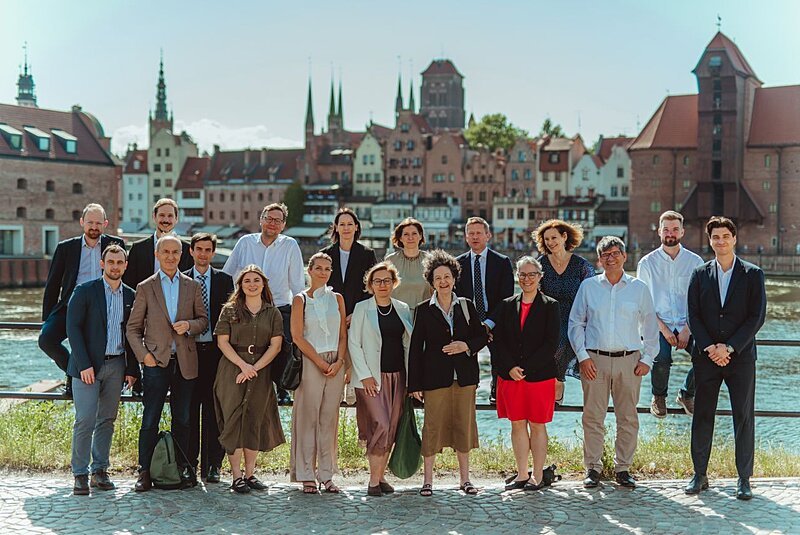
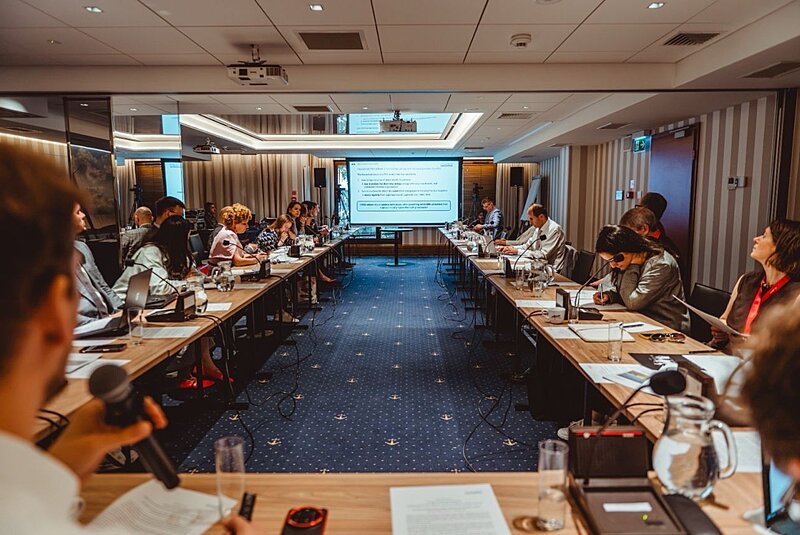
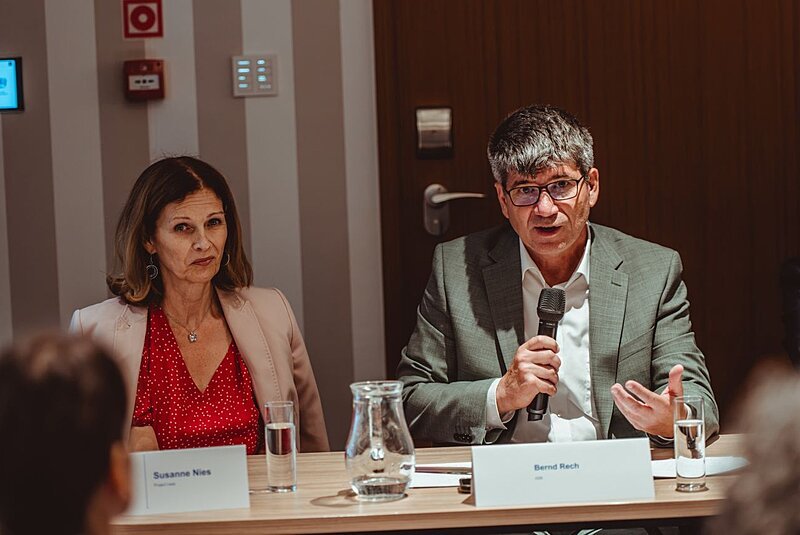
This paper examines the key aspects of the needed NEURC reform, makes proposals for legislative change and other boundary conditions, and summarises the limits of the two legislative proposals by the Deputies of the Verkhovna Rada, Mr Oleksiy Kucherenko and Mr Andrii Zhupanyn. The authors had several working meetings with NEURC, Rada members, the Ministry of Energy, EU representatives, the Energy Community, and other experts to identify critical areas and to obtain feedback on our paper. A Chatham House event held on the sidelines of the Ukraine Recovery Conference on June 24, 2026, which provided an opportunity to gather further expert input.
The authors thank all interviewees and contributors for their valuable input and support. Responsibility for the content and conclusions, however, rests solely with the authors.